Community guides

Greater Boston, described the way a clinician has to decide.

Each community below is written through the same four dimensions — work, home, life, and move — with an honest read on which transportation modes actually function there. Travel times are approximate and vary with time of day, weather, and service conditions.

Work

Commute, transit access, call reliability

Home

Housing type, space, price positioning

Life

Dining, recreation, culture, family, convenience

Move

Fit for your career stage and time horizon

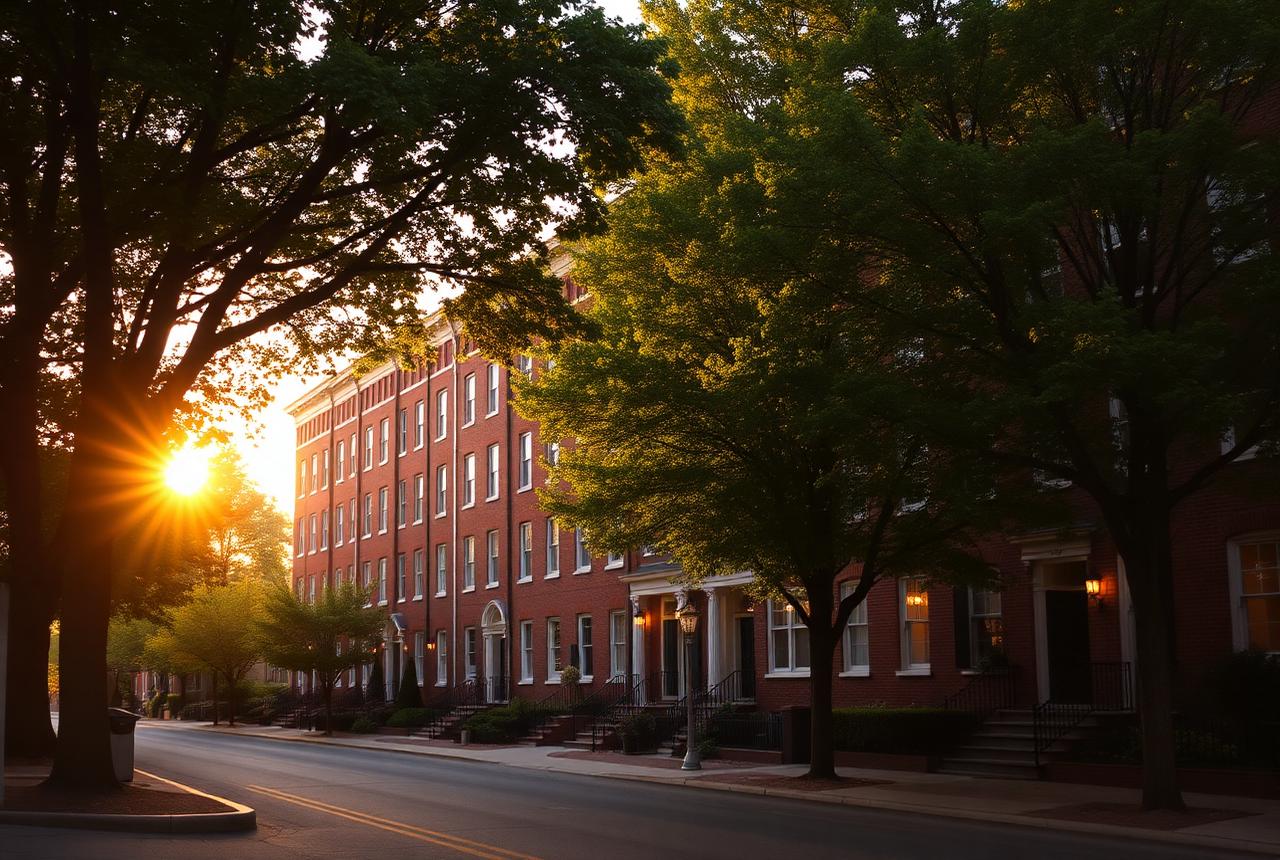
Residential streetscape in Cambridge, Massachusetts

Urban, transit-first, research-adjacent

Cambridge

For clinicians and researchers who want to trade square footage for time, and who want a neighborhood that functions without a car.

Work
Walking, cycling, or a short Red Line ride to Kendall Square, MGH, and Longwood via transfer. Commutes are typically measured in minutes, not miles.
Home
Condominiums, two- and three-family conversions, and a limited supply of single-family homes. Price per square foot is among the highest in Greater Boston.
Life
Dense restaurant and coffee culture, river paths, bookstores, university programming, and the ability to leave the car parked for a week at a time.
Move
Practical for a first Boston purchase, a research or academic appointment, or a household that expects to move again within several years.

Transportation options

Practicality of each transportation mode for this community
ModePracticalityWhat it means day to day
DriveModerateShort distances, but parking is constrained and often permitted or deeded.
T (subway)StrongRed Line spine; transfer at Park Street or Downtown Crossing for other lines.
BusStrongCross-town routes connect Cambridge to Longwood and the Longwood shuttle network.
Commuter railSituationalPorter Square offers Fitchburg Line service; most residents rely on the T.
Walk / bikeStrongProtected lanes and river paths; winter weather still interrupts cycling.
FerryNot applicable

Life outside the hospital

Dining & food
Independent restaurants and coffee shops concentrated around Harvard, Central, Inman, and Kendall.
Outdoor recreation
Charles River paths for running and cycling, public pools, and small neighborhood parks rather than large yards.
Culture & community
University lectures, museums, live music, repertory theater, and historic districts within walking distance.
Family life
Playgrounds, walkable parks, and a high density of childcare providers; public school seats are assigned through a district placement process.
Everyday convenience
Groceries, pharmacies, gyms, and services are typically within a short walk.
Airport access
Roughly 20–30 minutes to Logan by car outside peak periods; Blue Line and Silver Line connections available.

John's perspective

Cambridge is the strongest choice when your scarcest resource is time and your work sits in Cambridge, Boston, or Longwood. You are paying for proximity, not space.
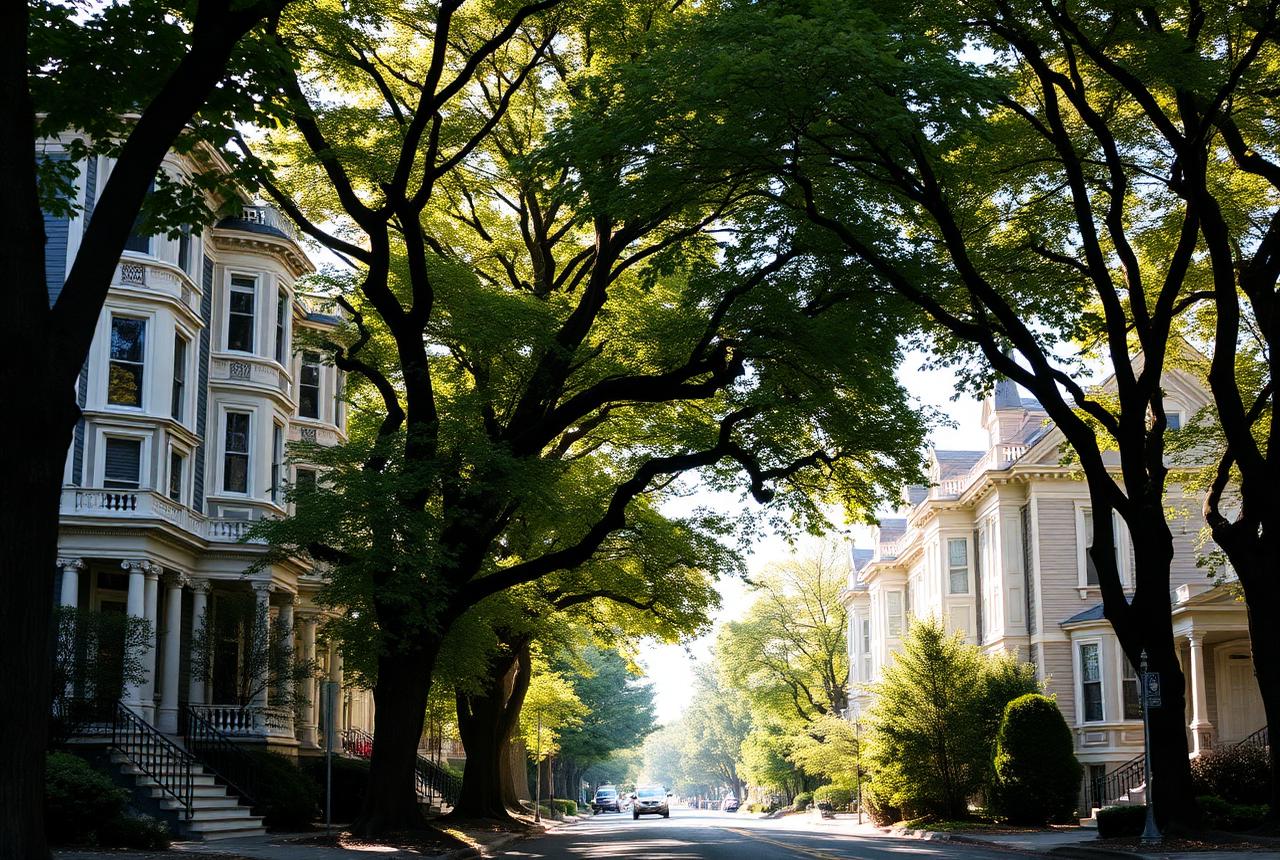
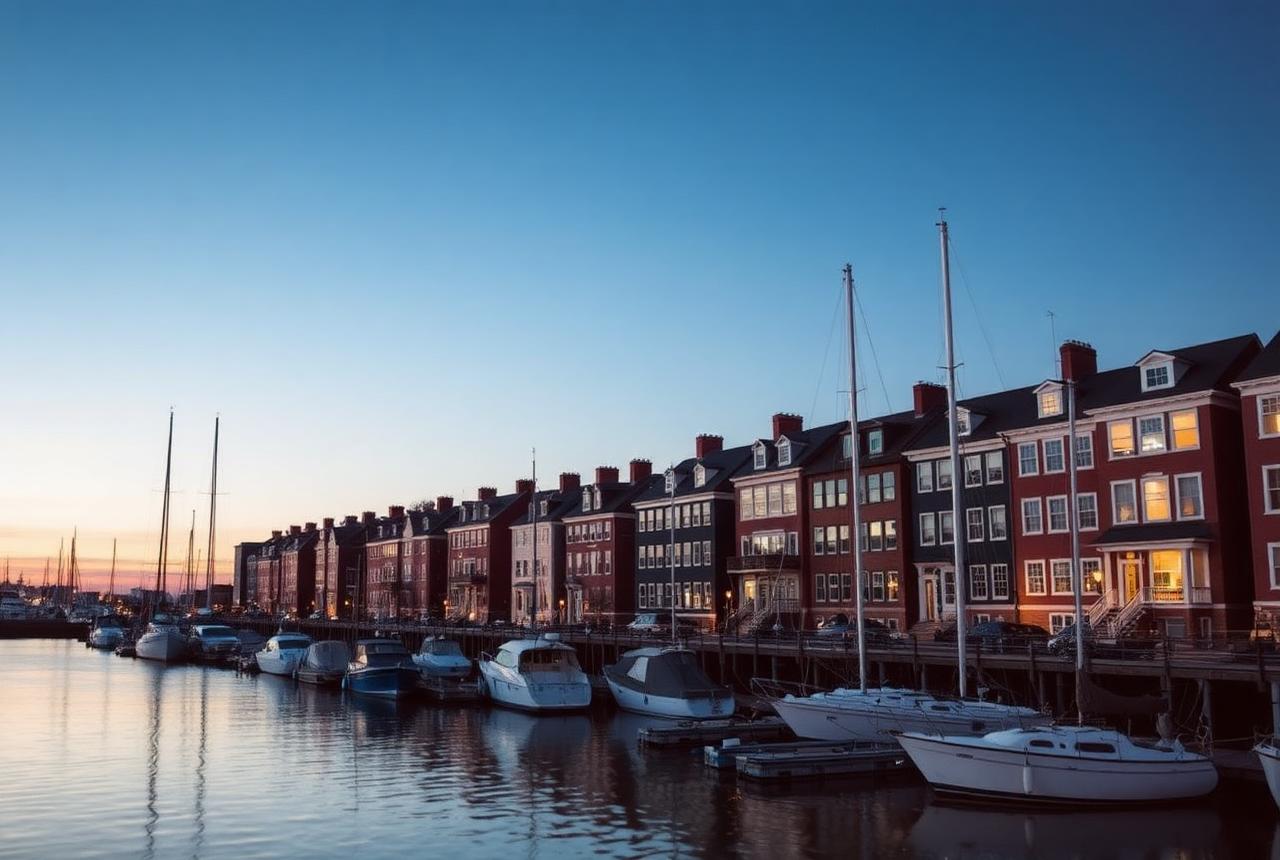
Residential streetscape in Brookline, Massachusetts

Longwood-adjacent, urban-suburban balance

Brookline

The default consideration for Longwood Medical Area clinicians who want walkability and a residential feel in the same address.

Work
Parts of Brookline are genuinely walkable to Longwood; the rest is a short Green Line D or E ride, or a bus connection.
Home
Large prewar condominiums, townhouses, and single-family homes in the higher price tiers. Value improves as you move away from the D Line.
Life
Village centers, tree-lined streets, strong food culture, and quick access to both the Emerald Necklace and downtown Boston.
Move
Works for a long hold: buyers often start here and move up within the same town as their square-footage needs change.

Transportation options

Practicality of each transportation mode for this community
ModePracticalityWhat it means day to day
DriveModerateShort trips, but Longwood parking is expensive and limited.
T (subway)StrongGreen Line C and D branches; the E branch serves Longwood directly.
BusStrongRoutes 60, 65, and 66 materially improve access from areas away from the D Line.
Commuter railNot applicable
Walk / bikeStrongWalking to Longwood is realistic from several neighborhoods; the Riverway is bike-friendly.
FerryNot applicable

Life outside the hospital

Dining & food
Coolidge Corner, Washington Square, and Brookline Village each carry distinct local character.
Outdoor recreation
Emerald Necklace parks, reservoir loops, tennis, golf, and public recreation facilities.
Culture & community
Independent cinema, live performance, historic homes, and proximity to Boston's museum district.
Family life
Parks, playgrounds, youth programs, and childcare providers are distributed across the town.
Everyday convenience
Grocery, pharmacy, fitness, and everyday services cluster in the village centers.
Airport access
Typically 25–35 minutes to Logan by car; Green Line to Blue Line or Silver Line connection.

John's perspective

Brookline is the practical middle: less space than the suburbs, far more time than a long commute. The distance from a Green Line stop changes the daily experience more than the town line does.

Residential streetscape in Charlestown, Massachusetts

Waterfront, MGH-oriented, historic

Charlestown

A close-in choice for MGH clinicians who want a defined neighborhood, water access, and a short, reliable commute.

Work
One of the few communities where a ferry, a bus, a bike, and a walk are all legitimate options to the same hospital campus.
Home
Federal-era townhouses, converted Navy Yard condominiums with parking, and limited new construction.
Life
Waterfront paths, harbor views, neighborhood restaurants, and a strong sense of local identity.
Move
Strong for residents through attendings tied to MGH; smaller yards mean some households eventually move outward.

Transportation options

Practicality of each transportation mode for this community
ModePracticalityWhat it means day to day
DriveModerateShort distance, but bridge and tunnel dependence makes timing variable.
T (subway)ModerateOrange Line at Community College; walking connections matter.
BusStrongRoute 93 and connecting routes provide direct downtown and MGH access.
Commuter railNot applicable
Walk / bikeStrongWalking or cycling across the bridge to MGH is realistic for many residents.
FerryStrongNavy Yard ferry to Long Wharf is a genuine commuting alternative, weather permitting.

Life outside the hospital

Dining & food
Neighborhood restaurants and cafes concentrated in the Navy Yard and along Main Street.
Outdoor recreation
Harborwalk running and cycling, sailing and boating access, and small parks.
Culture & community
Historic sites, Revolutionary-era architecture, and long-running neighborhood traditions.
Family life
Playgrounds and youth athletic fields within the neighborhood; school seats are assigned through the Boston Public Schools process.
Everyday convenience
Everyday services are walkable, with larger shopping a short drive away.
Airport access
Often 10–20 minutes to Logan by car — among the best airport access in the region.

John's perspective

If you work at MGH, Charlestown may buy back more weekly hours than almost any other address, and the ferry is a real fallback when the roads are not cooperating.

Residential streetscape in Winchester, Massachusetts

Suburban, commuter rail, single-family housing

Winchester

For buyers prioritizing square footage, yard space, and a suburban setting while keeping a rail connection into Boston.

Work
Commuter rail from Winchester Center to North Station, then a short walk or Green Line ride to MGH. Longwood requires a further transfer.
Home
Single-family homes with yards across a wide price range, plus a small number of condominiums near the center.
Life
Town center, lakes and reservation trails, youth sports, and a strong local community calendar.
Move
Built for a long hold — most buyers here are planning a decade or more, not a two-year appointment.

Transportation options

Practicality of each transportation mode for this community
ModePracticalityWhat it means day to day
DriveModerateI-93 and Route 2 access; approximate drive times swing widely in peak periods.
Commuter railStrongLowell Line to North Station; living within walking distance of the station changes the commute entirely.
T (subway)LimitedNo direct service; nearby Red and Orange Line stations require a drive and parking.
BusSituationalUseful from certain neighborhoods, not a primary commuting mode.
Walk / bikeLimitedWalkable town center and trail network, but not a work commute for most.
FerryNot applicable

Life outside the hospital

Dining & food
A compact downtown with local restaurants and coffee shops rather than a dense dining scene.
Outdoor recreation
Middlesex Fells trails, Mystic Lakes, golf, tennis, and extensive youth athletics.
Culture & community
Town performing arts, historic architecture, and easy access to Boston culture by rail.
Family life
Parks, childcare providers, playgrounds, and a full slate of youth athletic programs.
Everyday convenience
Grocery and services in and around the town center; larger retail a short drive away.
Airport access
Typically 25–40 minutes to Logan by car depending on time of day.

John's perspective

Winchester trades commuting time for space and community. Whether that trade works usually comes down to one question: can you walk to the train, or will you be driving to it every morning?

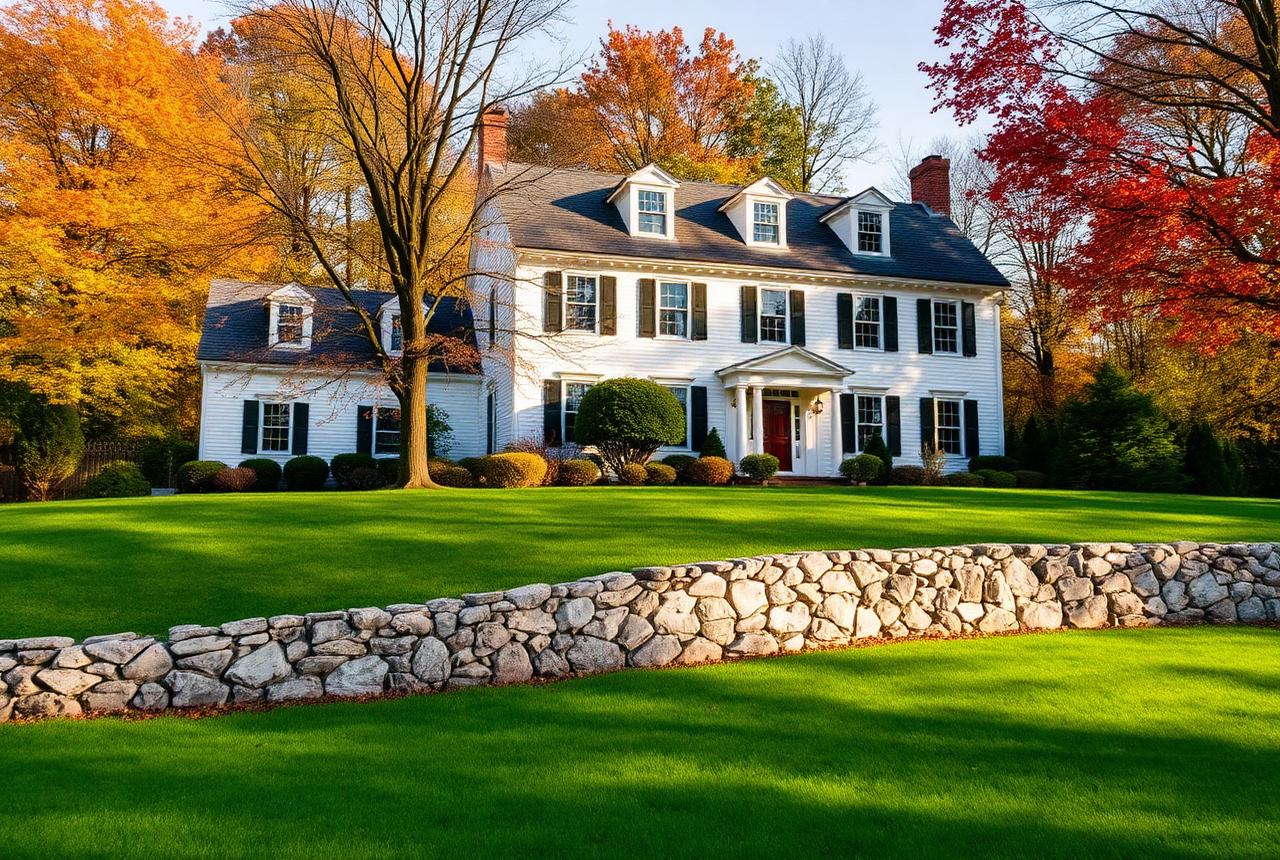
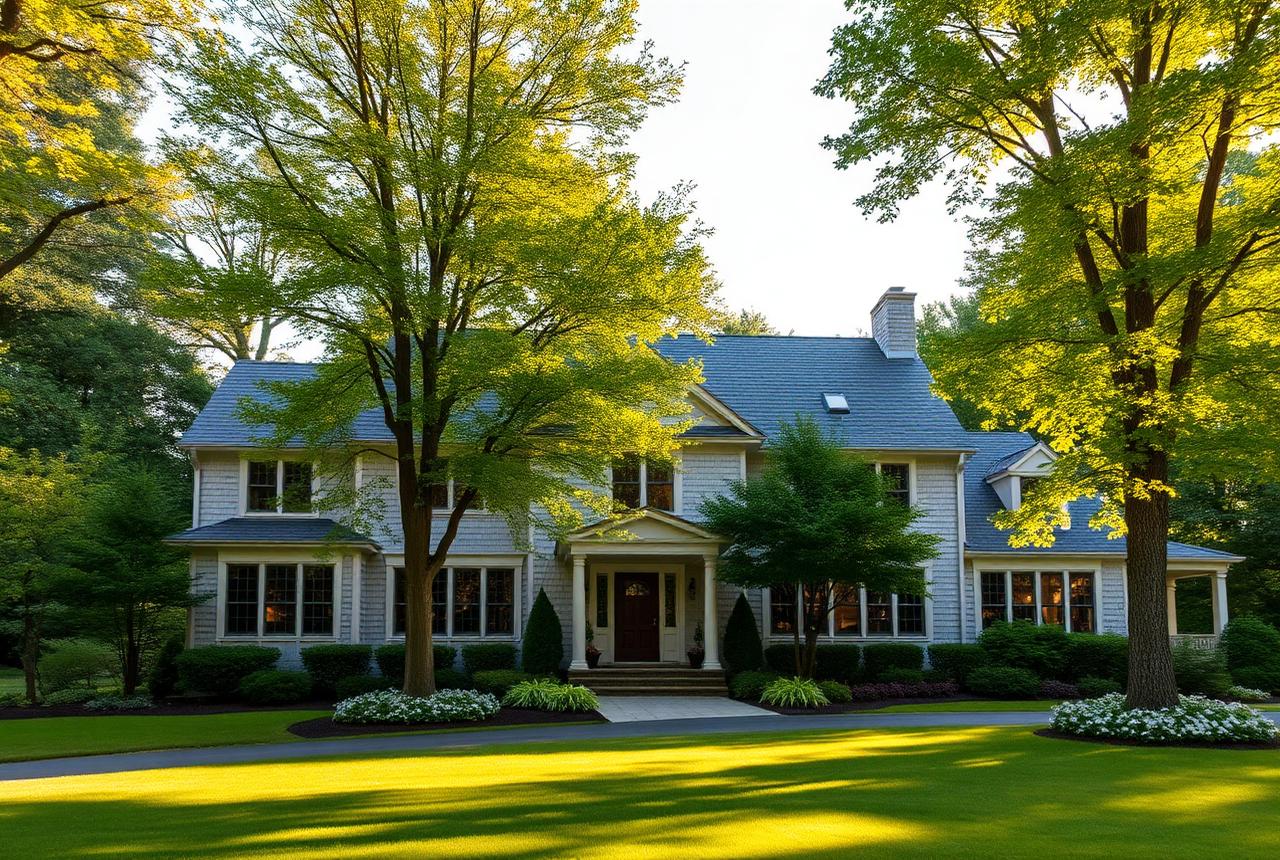
Residential streetscape in Newton, Massachusetts

Suburban with urban access

Newton

A frequent landing place for attendings at Longwood and Newton-Wellesley who want suburban space without a long commute.

Work
Green Line D branch runs directly toward Longwood; drivers use the Mass Pike and Route 9.
Home
Village-by-village variety — from condominiums near the D Line to substantial single-family homes.
Life
Thirteen villages, each with its own character, plus parks, playing fields, and reservation access.
Move
Well suited to a long-term purchase with room to grow in place.

Transportation options

Practicality of each transportation mode for this community
ModePracticalityWhat it means day to day
DriveStrongMass Pike and Route 9 access; peak-period congestion is the main variable.
T (subway)StrongGreen Line D stations serve several villages and connect toward Longwood.
Commuter railModerateFramingham/Worcester Line stops offer limited weekday service.
BusSituationalHelpful locally and to nearby transit rather than for a full commute.
Walk / bikeModerateVillage centers are walkable; cycling depends heavily on the route.
FerryNot applicable

Life outside the hospital

Dining & food
Village centers such as Newton Centre, West Newton, and Newtonville carry independent restaurants and cafes.
Outdoor recreation
Charles River access, golf, tennis, extensive fields and trails, and nearby ski transit in winter.
Culture & community
University programming, local theater, historic districts, and quick rail access to Boston.
Family life
Parks, childcare providers, and youth programming across the villages.
Everyday convenience
Full-service grocery, fitness, and retail without leaving town.
Airport access
Generally 30–45 minutes to Logan by car depending on traffic.

John's perspective

Newton is often the compromise that actually works for an attending who needs more square footage: real space, a yard, and a rail line that still gets you to Longwood.

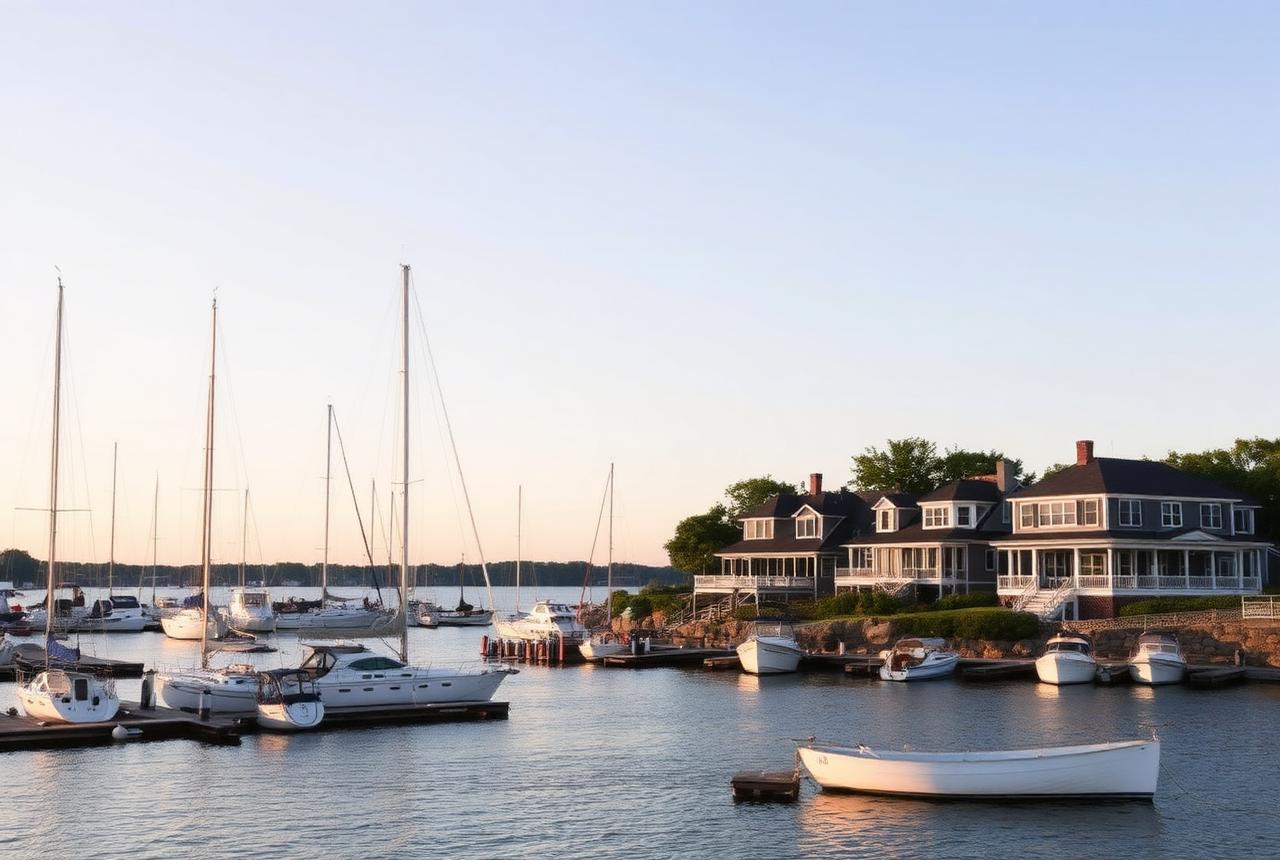
Residential streetscape in Hingham, Massachusetts

Coastal, ferry-served, space-forward

Hingham

A South Shore option where the ferry converts a long-looking commute into a predictable, workable one.

Work
Ferry from Hingham Shipyard to Boston's waterfront, with walking or Silver Line connections onward. Commuter rail is a second option.
Home
Historic and newer single-family homes, waterfront property, and shipyard-area condominiums.
Life
Harbor, beaches, boating, trails, a genuinely walkable main street, and a slower weekend rhythm.
Move
Best for households making a long-term coastal lifestyle choice, not a short appointment.

Transportation options

Practicality of each transportation mode for this community
ModePracticalityWhat it means day to day
FerryStrongHingham Shipyard commuter boat to Boston is reliable and largely traffic-independent.
Commuter railModerateGreenbush Line to South Station; station parking and walkability vary.
DriveModerateRoute 3 and the expressway; approximate times can lengthen substantially at peak.
T (subway)LimitedReached only after ferry or rail connection.
BusSituationalLocal connections to the ferry and rail stations.
Walk / bikeLimitedExcellent for daily life, not for the work commute.

Life outside the hospital

Dining & food
Downtown Hingham and the Shipyard offer restaurants, coffee, and waterfront dining.
Outdoor recreation
Beaches, sailing, World's End and other reservations, golf, tennis, and running trails.
Culture & community
Historic town center, local performing arts, and seasonal community events.
Family life
A coastal setting with parks, childcare providers, beaches, and youth athletic programs.
Everyday convenience
Grocery, retail, and services concentrated along Route 3A and downtown.
Airport access
Usually 30–45 minutes to Logan by car; the ferry plus a connection is a fair-weather alternative.

John's perspective

Hingham looks far on a map and often is not, because the boat is immune to traffic. The right question is how your shift schedule lines up with the ferry timetable.

Side by side: Cambridge vs. Winchester

A comparison of two reasonable answers to the same question, so you can see the trade rather than guess at it.

ConsiderationCambridgeWinchester
Commute to MGHShort Red Line ride or a bikeCommuter rail plus a walk or Green Line
Housing typeCondominiums and multi-family conversionsSingle-family homes with yards
Price positioningHighest price per square footMore space for the same investment
TransitRed Line, buses, bike networkLowell Line commuter rail
WalkabilityCar-optional daily lifeWalkable center, car-dependent otherwise
SpaceLimited; outdoor space is rareYards, driveways, storage
DiningDense and variedCompact downtown
Outdoor recreationRiver paths and city parksFells trails, lakes, fields
School enrollmentDistrict placement processAssigned by address
Airport access20–30 minutes typical25–40 minutes typical
Overall lifestyleUrban, time-efficientSuburban, space-forward

John's perspective

Neither is better. Cambridge buys back hours every week and spends them on rent-equivalent price per square foot. Winchester buys space, yard, and a community calendar, and spends commuting time to get it. If your schedule is unpredictable and your hours are long, weight time heavily. If your household needs room and roots, weight space heavily — and then insist on being within walking distance of the station.

Not sure which of these fits your schedule?

Send your campus, start date, and what your week actually looks like. You will get an honest read on which communities support it — and which ones will quietly cost you hours.